
The Best Trees to Plant in Amarillo, TX for Shade, Wind, and Longevity

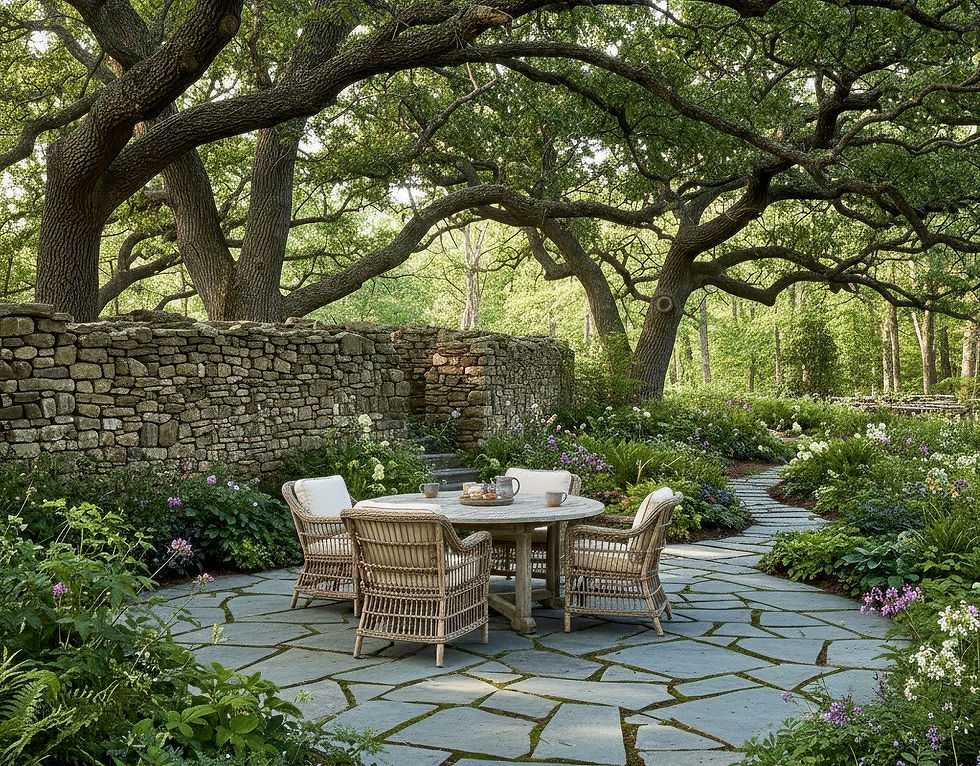
The best trees to plant in Amarillo, TX are drought-tolerant, wind-resistant, adaptable to clay-heavy soils, and capable of surviving extreme temperature swings. Proven performers include bur oak, chinkapin oak, cedar elm, lacebark elm, Chinese pistache, and desert willow. Choosing climate-appropriate trees ensures stronger root systems, fewer disease problems, better storm resistance, and long-term shade.
In the Texas Panhandle, tree selection is not just about appearance — it’s about survival. Amarillo’s climate can be unforgiving, and planting the wrong species often results in structural failure, stunted growth, or premature removal within 10–15 years. Smart selection at the beginning saves thousands of dollars in future repairs and replacement.
Understanding Amarillo’s Growing Conditions
Before selecting a tree, it’s essential to understand the environmental pressures unique to Amarillo:
Sustained winds and strong gusts
Extended summer drought
Intense sun exposure
Rapid temperature fluctuations
Heavy clay soils
Occasional winter freezes
Low annual rainfall
Trees must tolerate both moisture extremes — dry heat and sudden downpours — while developing deep, stable root systems capable of anchoring against wind.
Many fast-growing trees marketed nationally simply are not built for these conditions.
What Makes a Tree Successful in Amarillo?
When evaluating trees for Amarillo landscapes, professionals prioritize:
Deep root development
Strong central leader (single dominant trunk)
Wide branch angles for structural strength
Drought tolerance
Wind resistance
Adaptability to alkaline clay soils
Moderate growth rate (not overly fast and weak)
Slow-to-moderate growers often outperform fast-growing species in long-term durability.
Top Large Shade Trees for Amarillo, TX
1. Bur Oak (Quercus macrocarpa)
Bur oak is one of the most reliable long-term shade trees in the Texas Panhandle.
Why it thrives:
Extremely wind-resistant
Deep taproot system
Adaptable to heavy clay soil
Excellent drought tolerance
Long lifespan exceeding 100 years
Bur oak provides dense shade once established and develops strong, well-spaced branches that resist splitting.
2. Chinkapin Oak
Chinkapin oak is slightly smaller than bur oak but equally durable.
Key benefits:
Excellent adaptability to alkaline soil
Moderate growth rate
Strong branch attachments
Attractive fall color
This species is ideal for residential yards where space is somewhat limited but wind exposure remains high.
3. Cedar Elm
Cedar elm performs exceptionally well in Amarillo’s climate.
Advantages include:
Tolerance to clay soil
Good drought resistance
Durable wood structure
Filtered shade that benefits turfgrass
It is often recommended for both residential and commercial landscapes.
4. Lacebark Elm
Lacebark elm combines aesthetic appeal with durability.
Why homeowners choose it:
Beautiful exfoliating bark
Strong adaptability
Heat tolerance
Faster establishment than many oaks
When structurally pruned early, lacebark elm develops impressive wind resilience.
5. Chinese Pistache
Chinese pistache is an excellent mid-sized option for homeowners wanting fall color.
Highlights:
Brilliant red-orange foliage in fall
Good drought tolerance
Moderate wind resistance
Clean canopy structure
It performs well in urban neighborhoods and fits well in smaller properties.
Best Smaller Trees for Amarillo Landscapes
Not every yard can support a large shade tree. Smaller ornamental trees suited to Amarillo include:
Desert Willow
Exceptional drought tolerance
Summer blooms
Heat resistance
Light canopy for filtered shade
Vitex (Chaste Tree)
Attractive purple blooms
Pollinator-friendly
Moderate drought tolerance
These trees work well in accent beds or near patios where large root systems are undesirable.
Trees That Often Struggle in Amarillo
Some popular nursery trees are poorly suited for Amarillo’s conditions.
Trees that frequently fail include:
Silver maple (weak branch structure)
Bradford pear (prone to splitting)
Cottonwood (water-demanding and invasive roots)
Shallow-rooted ornamental species
Fast-growing trees often develop weak wood, increasing storm damage risk.
If storm damage becomes an issue, services like[Tree Removal – https://www.wethingtonlandscapemgmt.com/services-tree-removal] may eventually be required — which is why proper species selection matters.
Wind Resistance: A Critical Consideration
Amarillo’s wind exposure is one of the most important factors in tree selection.
Trees that perform best in wind typically have:
Deep root systems
Strong central trunks
Balanced canopy structure
Wide branch attachment angles
Structural pruning during early growth stages significantly improves wind performance.
See:[Tree Pruning or Trimming – https://www.wethingtonlandscapemgmt.com/services-tree-puning]
Without early corrective pruning, even strong species can develop structural weaknesses.
Proper Planting Is Just as Important as Species Selection
Even the best tree will fail if planted incorrectly.
Common planting mistakes include:
Planting too deeply
Failing to expose root flare
Over-mulching against the trunk
Poor backfill practices
Improper staking
Professional planting ensures proper root development and long-term stability. Correct planting dramatically reduces transplant shock and long-term decline.
Irrigation Planning for New Trees
Newly planted trees require consistent watering during the establishment phase.
However, overwatering in clay soil can:
Suffocate roots
Encourage fungal disease
Reduce oxygen flow
Underwatering leads to:
Drought stress
Leaf scorch
Stunted growth
A properly calibrated irrigation system helps maintain balance. See:[Irrigation Services – https://www.wethingtonlandscapemgmt.com/services-irrigation]
Deep, infrequent watering encourages deeper root systems and better wind stability.
Long-Term Maintenance for Healthy Trees
Planting the right tree is only the first step. Long-term success requires:
Scheduled structural pruning
Annual health inspections
Proper mulching
Soil aeration when compacted
Monitoring for insect and disease issues
Preventative maintenance reduces the need for emergency intervention later.
Frequently Asked Questions About Planting Trees in Amarillo
When is the best time to plant trees in Amarillo?
Fall is ideal because roots establish before summer heat. Early spring is also acceptable.
How long does it take for shade trees to mature?
Most moderate-growth shade trees provide noticeable shade within 5–10 years.
How often should new trees be watered?
Typically once or twice weekly during establishment, depending on rainfall.
Should I fertilize newly planted trees?
Fertilization should be evaluated based on soil condition. Over-fertilizing can cause excessive weak growth.
Do trees increase property value?
Yes. Mature, healthy trees improve curb appeal and can increase resale value significantly.
Can trees reduce energy bills?
Yes. Strategically planted shade trees can lower cooling costs during Amarillo’s hot summers.
Make the Right Investment in Your Amarillo Landscape
Planting the right tree is a long-term investment in your property’s beauty, value, and environmental health. In Amarillo’s challenging climate, proper species selection, professional planting, and expert maintenance are essential for success.
Wethington Landscape Management provides expert tree selection guidance, planting services, pruning, irrigation planning, and long-term care throughout Amarillo and the Texas Panhandle. With certified arborist oversight and deep knowledge of local conditions, your landscape is designed for durability and growth.
To schedule a consultation for tree planting or landscape planning, contact Wethington Landscape Management at (806) 414-5885 or visit https://www.wethingtonlandscapemgmt.com/ during business hours, Monday through Friday, 8 AM–5 PM.


